Highlights:
- Understand the cause of the clog – Low water flow, excess toilet paper, non-flushable items, or sewer line issues can make plunging difficult.
- Choose the right plunger – Always use a flange plunger for toilets, not a cup plunger designed for sinks.
- Prep the toilet and area – Clear the surroundings, wear gloves, ensure the bowl has enough water, and optionally use a towel to prevent splashes.
- Use proper plunging technique – Position the plunger correctly, create steady suction with controlled push-and-pull motions, and repeat as needed.
- Know when extra help is needed – For stubborn clogs, try hot water with dish soap, a toilet auger, or call a plumber if the clog persists.
- Prevent future clogs and stay hygienic – Flush only toilet paper and human waste, keep a plunger accessible, wear gloves, and disinfect the plunger and area after use.
Clogged toilets are one of the most frustrating household problems, especially when a plunger doesn’t seem to work the first time. Knowing how to use a plunger to unclog a toilet when it just won’t budge can save you time, stress, and potentially a costly plumber visit. In this guide, we’ll cover the step-by-step techniques, troubleshooting tips, and pro advice to make sure your toilet is flowing smoothly again.
Why Isn’t My Toilet Responding to the Plunger?
Before diving into plunging, it’s helpful to understand why your toilet might resist. Toilets can clog due to various reasons:
- Excess toilet paper or non-flushable items
- Low water flow or a weak flush
- Partial clogs in the drain line
- Sewer line issues further down the pipe
Knowing the cause can help you decide whether a standard plunger, a flange plunger, or additional tools might be needed.
What Type of Plunger Should I Use?
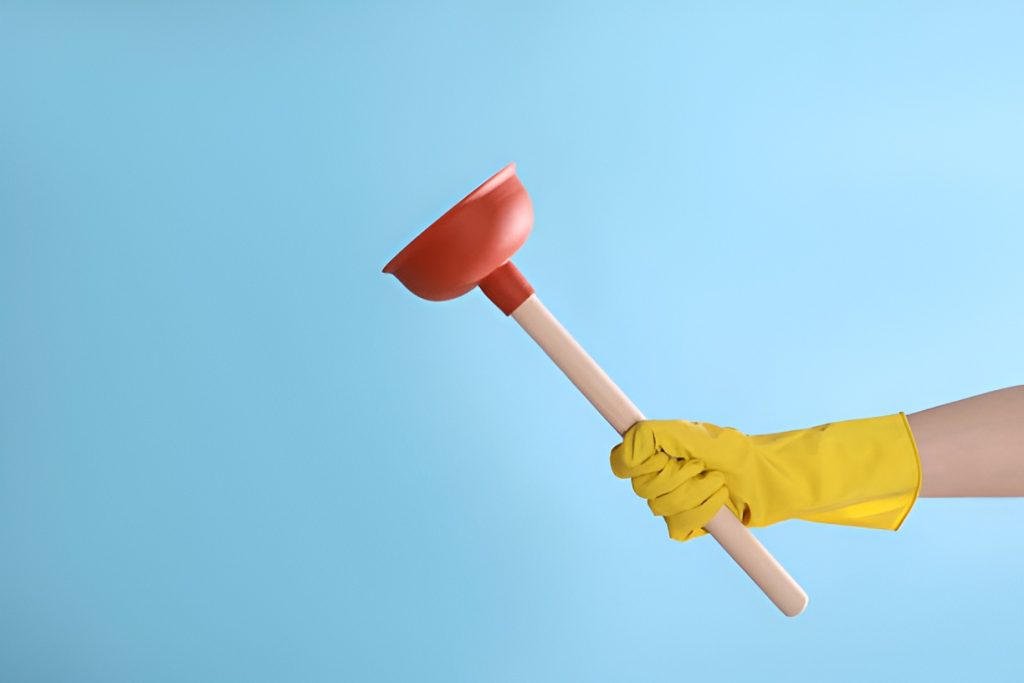
Not all plungers are created equal. If you’re unsure how to use a plunger, knowing which type to pick is essential.
There are two main types for toilets:
- Cup Plunger: Flat-bottomed, best for sinks, not ideal for toilets
- Flange Plunger: Designed for toilets, features a rubber extension that fits into the toilet drain
For stubborn clogs, always choose a flange plunger to maximize suction and effectiveness.
Preparing the Toilet and Area
Before you start plunging, a little prep goes a long way:
- Clear the area: Remove rugs or items near the toilet.
- Protect your hands: Rubber gloves are recommended for hygiene.
- Check the water level: Make sure the bowl has enough water to cover the plunger. Add water if necessary.
- Optional barrier: A towel or small tray under the toilet can catch splashes.
Proper preparation helps you work efficiently and keeps cleanup minimal.
Step-by-Step: How to Use a Plunger to Unclog a Toilet When It Just Won’t Budge
Step 1: Position the Plunger Correctly
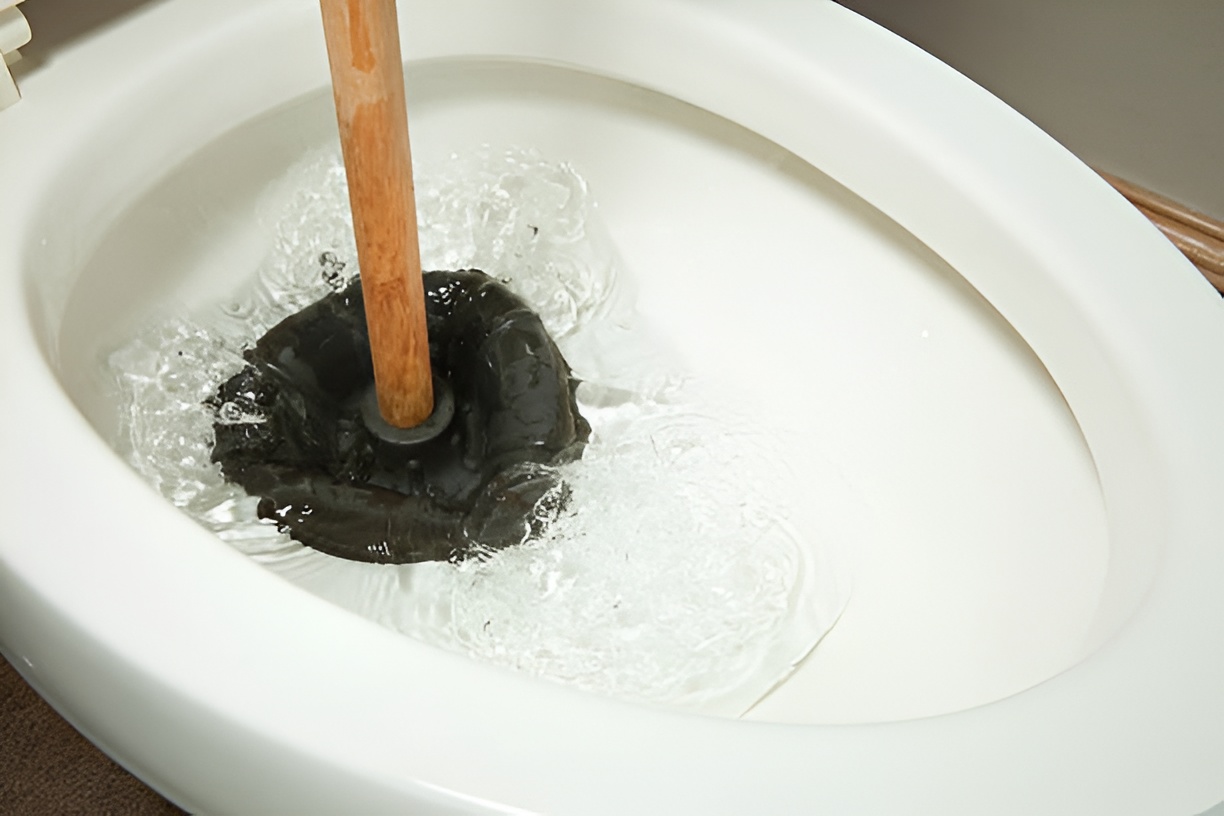
Place the flange plunger in the toilet bowl, ensuring the rubber flange fits snugly into the drain hole. The cup should form a tight seal against the porcelain.
Step 2: Create the Right Motion
- Start with slow, steady pumps to avoid splashing.
- Once suction builds, use quick, forceful thrusts.
- Pull up only slightly between pumps to maintain the vacuum.
Step 3: Maintain Suction
For stubborn clogs, maintaining suction is key. Press the plunger firmly against the drain opening and focus on consistent push-and-pull motions rather than rapid flailing.
Step 4: Test the Drain
After 10–15 thrusts, remove the plunger slowly and see if water drains. If the water rises back up or drains slowly, repeat the process. Sometimes multiple rounds are necessary.
Step 5: Finish Up
Once the clog clears:
- Flush the toilet to ensure proper flow
- Rinse the plunger in clean water and disinfect
- Clean up any water spills
What If the Toilet Still Won’t Unclog?
Even with the right technique, some clogs are tough. Here are additional tips:
- Hot water and dish soap: Pouring a few cups of hot (not boiling) water mixed with dish soap can help break down stubborn blockages.
- Toilet auger (snake): For deeper clogs, a toilet auger can reach where a plunger cannot.
- Wait a few minutes: Some blockages loosen naturally after a few minutes of soaking.
- Avoid chemical drain cleaners: These can damage pipes and make the problem worse.
Common Mistakes When Plunging a Toilet
Avoid these pitfalls to save time and frustration:
- Using a sink plunger instead of a flange plunger
- Plunging too aggressively, causing splashes or overflow
- Not creating a proper seal with the plunger
- Pulling up too quickly, breaking suction
- Ignoring repeated attempts—sometimes persistence is key
Tips for Preventing Future Clogs
Once your toilet is clear, follow these preventative steps:
- Only flush toilet paper and human waste
- Avoid flushing wipes, paper towels, and feminine hygiene products
- Consider a drain strainer for small objects
- Schedule periodic inspections for older plumbing
- Keep a plunger accessible for quick fixes
How to Use a Plunger to Unclog a Toilet in Multi-Toilet Homes
If you have multiple bathrooms, check all toilets if one backs up. Sometimes the clog is in a shared drain line. Plunge each toilet separately, but avoid flushing until each toilet is functioning properly.
How to Stay Safe and Hygienic While Plunging
Toilet plunging can be messy, but hygiene matters:
- Always wear gloves
- Wash hands thoroughly afterward
- Disinfect the plunger and surrounding area
- Avoid splashing by keeping a steady, controlled motion
When to Call a Plumber
If your toilet refuses to unclog after multiple attempts, it may be a deeper issue. Call a professional if:
- Water backs up into other drains
- There’s a persistent slow drain
- You notice foul odors or gurgling sounds
- The clog involves non-flushable items stuck deep in the pipe
Pro Tips for Stubborn Toilets
- Warm water plus dish soap can soften paper and grease clogs
- Using a plunger with a longer handle provides better leverage
- Plunging with patience beats frantic force
- Sometimes a combination of plunger and auger is needed
Wrapping It Up
Knowing how to use a plunger to unclog a toilet when it just won’t budge can save you from unnecessary stress and plumbing expenses. With the right tools, proper technique, and a little patience, most stubborn clogs can be cleared quickly. Remember to prepare the area, use a flange plunger, maintain suction, and practice good hygiene. For persistent issues, don’t hesitate to call a professional.
By following these tips and understanding why your toilet resists plunging, you’ll be ready for any clog life throws your way. A well-used plunger is one of the simplest, most effective tools in your home maintenance toolkit.